


ISO 9001 Certification Proves Consistent Quality To Buyers
Buyers importing products have no easy way to see how consistently a factory actually operates day to day. ISO 9001 certification closes the gap by giving manufacturers sufficient reassurance of a documented, independently audited quality management system that buyers can check before signing a contract. Developed by the International Organization for Standardization (ISO), the certification has become the most widely adopted quality framework in global manufacturing. This article looks at what the standard covers, why it matters for export-focused manufacturers, and how it fits into the quality commitments of Rang Dong, Vietnam’s leading innovator in lighting and smart technology.
More than 1 million organizations worldwide hold ISO 9001 certification, spanning manufacturers, service providers and organizations of virtually every size and industry.
The current active version, ISO 9001:2015, remains the version auditors check factories against today, even as the ISO works on an update.
The ISO published the Draft International Standard for the next revision in August 2025, saying it was approved by ISO members. The final draft publication was expected in September 2026, while certified organizations will receive a three-year transition window to update their system, the ISO has said.
Early signals point to a stronger emphasis on quality culture, leadership accountability and sustainability considerations in the updated standard, building on the existing 2015 framework rather than replacing it.
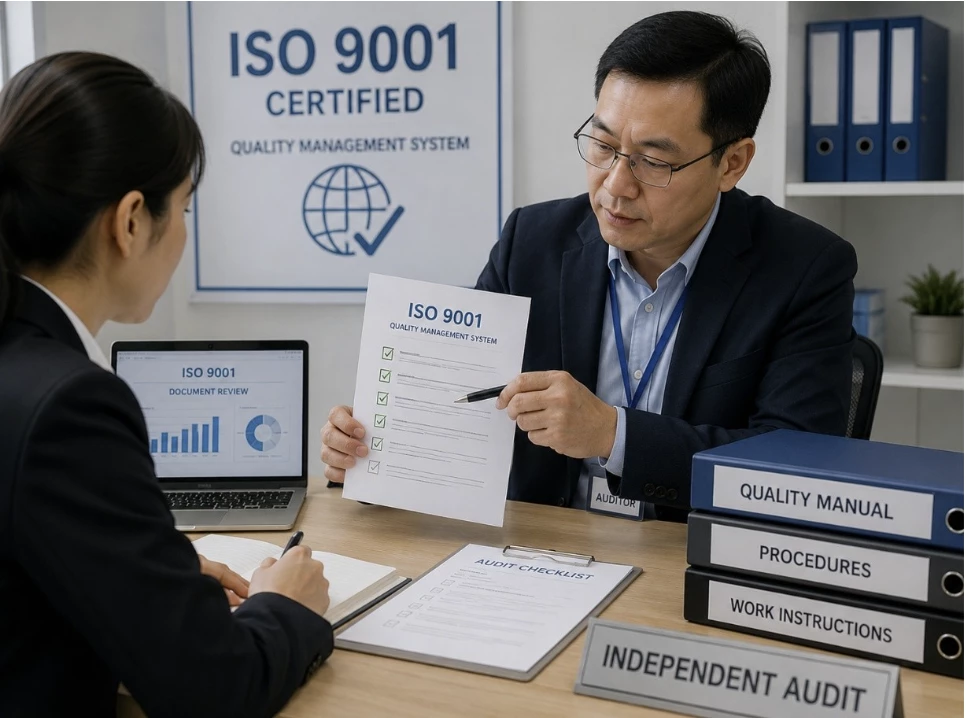 ISO 9001 certification documents are reviewed during an independent audit.
ISO 9001 certification value
For export-focused manufacturers, ISO 9001 certification often determines which supply chains a factory can join in the first place.
Many global buyers and multinational supply chains require this certification as a baseline condition before they will even consider a new supplier.
Beyond opening doors, certification signals consistent quality because it forces a factory to document its processes and hold them to the same standard on every production run, reducing the variation that leads to customer complaints.
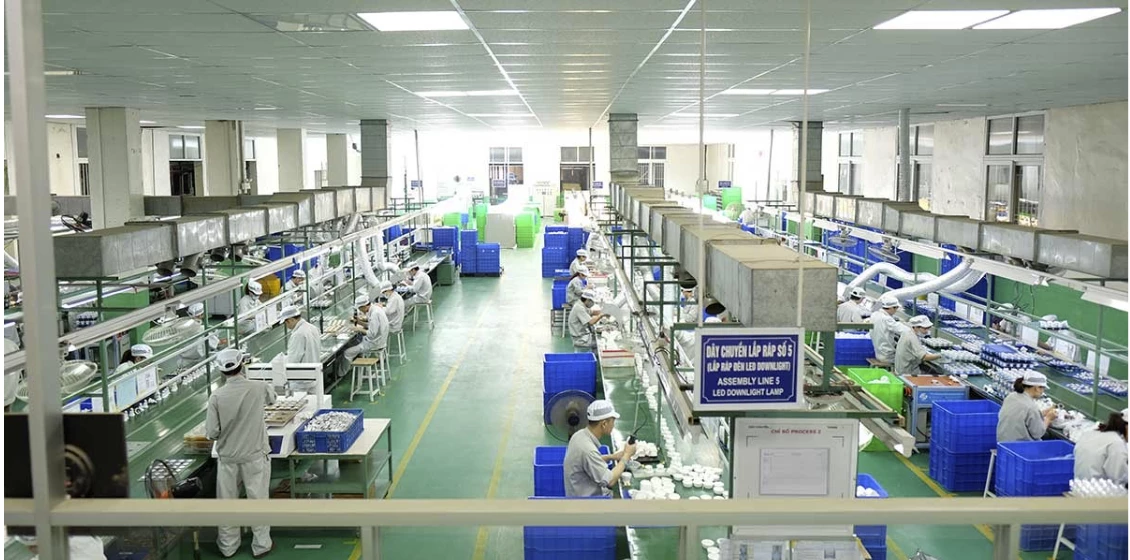 A certified quality management system helps quality control workers catch defects before they reach the customers.
Risk-based thinking, a core requirement of the standard, pushes manufacturers to identify and address problems before they reach the customer rather than reacting after a defect ships.
Certified factories also tend to see fewer and less intensive supplier audits over time, since the certification itself acts as a recognized signal of operational discipline to buyers and auditors alike.
Requirements
Securing ISO 9001 certification starts with building a documented quality management system that covers how a company plans, controls and reviews its processes, not just a folder of paperwork.
Defined roles and regular training give employees clear accountability for quality at each stage of production, from raw materials to finished goods.
Internal audits check the system against its own procedures on an ongoing basis, catching gaps before an external auditor comes in.
The final certification comes with a three-year validity only from an accredited, independent body, which verifies the system through an on-site audit before issuing the certificate and re-verifies it annually to keep it valid.
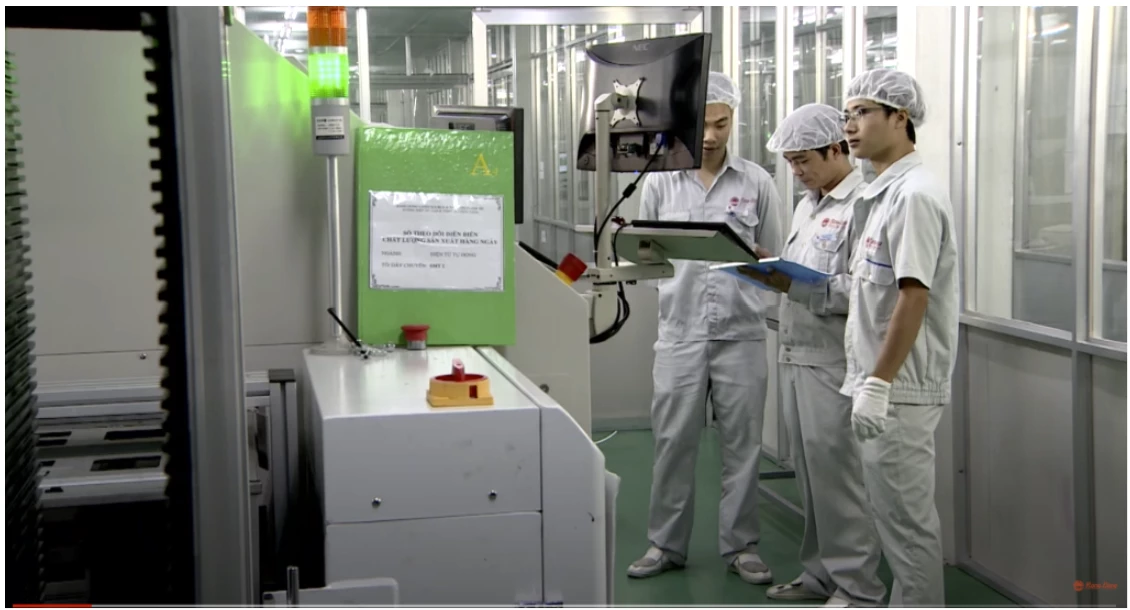 An accredited auditor verifies the quality system on-site before certification is issued.
Rang Dong's certified manufacturing
Rang Dong, fully known as Rang Dong Light Source and Vacuum Flask Joint Stock Company, holds ISO 9001:2015 certification for its manufacturing operations, alongside ISO 14001:2015 certification for environmental management, covering its lighting, vacuum flask and household appliance production lines.
For international buyers evaluating a Vietnamese supplier, the ISO 9001:2015 certification offers an independently verified baseline for how consistently Rang Dong's factories operate, on top of the specific product testing each item goes through.
Maintaining the certification also means Rang Dong's quality processes are reviewed on an ongoing basis, keeping the same standard in place as production scales.
As global buyers lean more heavily on documented quality systems to choose suppliers, ISO 9001 certification stands out as one of the clearest, most widely recognized signals that a manufacturer can back up its claims about consistent quality.
Should you have any questions or request a quotation of Rang Dong products, please send us an email to: export@rangdong.com.vn
Websites: en.rangdong.com.vn and vacuumflask.rangdong.com.vn


