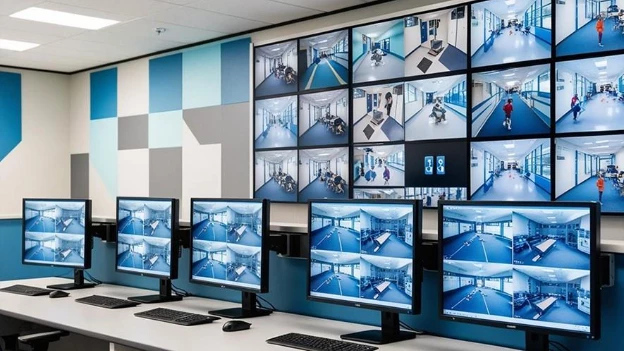



Hospital Lighting Must Be Flexible To Meet Various Tasks
Lighting in hospitals does more than illuminate rooms. It influences on patients’ resting, the performance by medical staff and overall safety in the healthcare space. Well-designed hospital lighting increases visual comfort, clinical accuracy, energy efficiency and flexible control. This article explains the necessity of hospital lighting and how modern systems can support both the care quality and daily operation.
Hospitals are complex environments where different people need different lighting conditions at the same time. Patients need calm and comfortable light for rest. Doctors and nurses require clear visibility for examination, treatment and monitoring, while visitors need safe and easy navigation.
Unlike ordinary buildings, healthcare facilities require lighting that supports both human wellbeing and technical performance. The Illuminating Engineering Society noted that healthcare lighting should balance patient experience, staff operation, technical requirements, building efficiency and code compliance. This makes hospital lighting an important part of healthcare design, not only an interior feature.
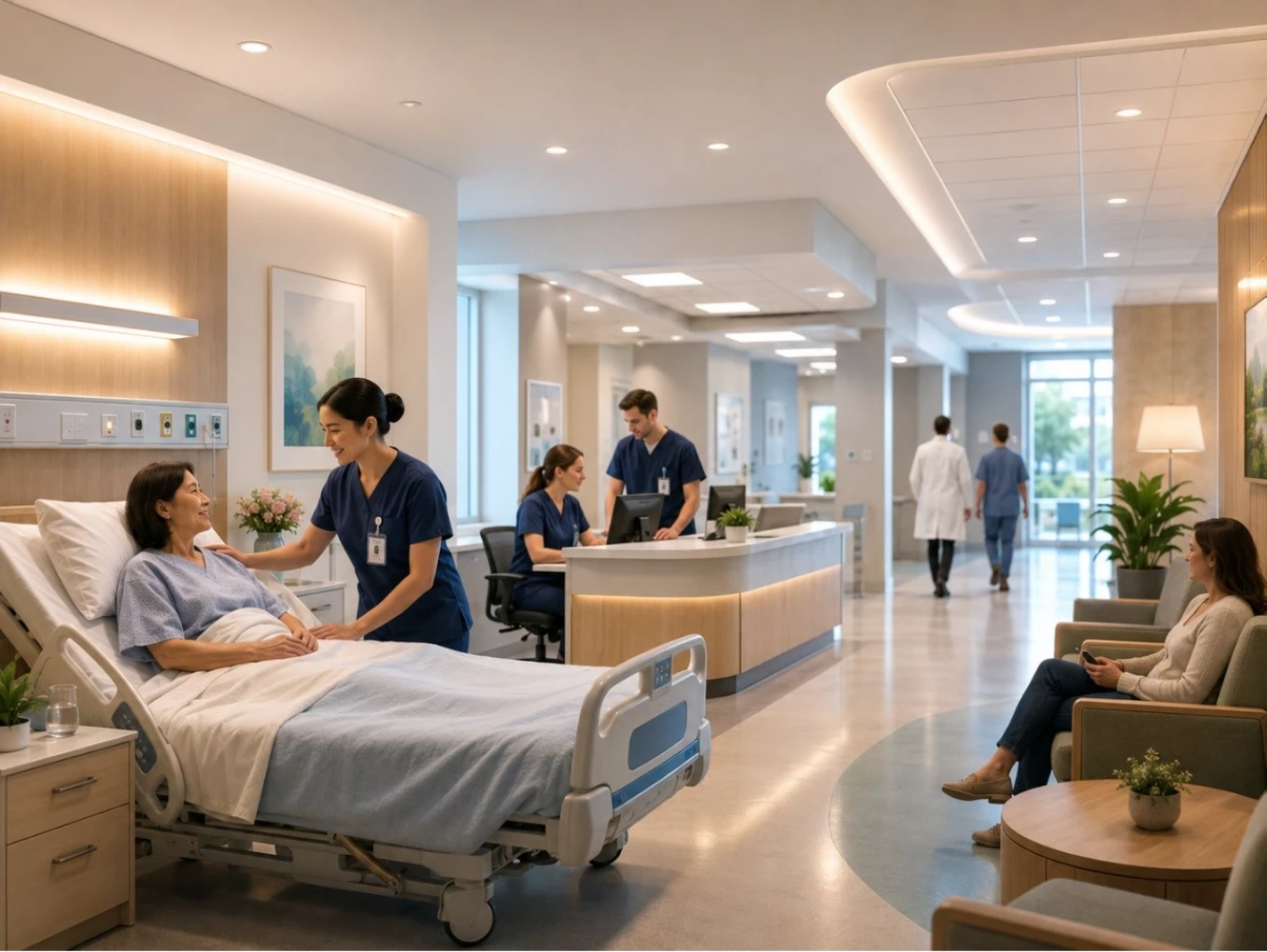
Balanced hospital lighting supports patients, staff and visitors.
For patient Comfort, recovery
Patients often spend long hours in hospital rooms, where light can affect comfort, sleep and emotional state. Harsh or poorly controlled lighting may trigger stress, while soft and well-distributed light can create a more relaxing environment. In patient rooms, lighting should support rest, reading, family visits and medical observation.
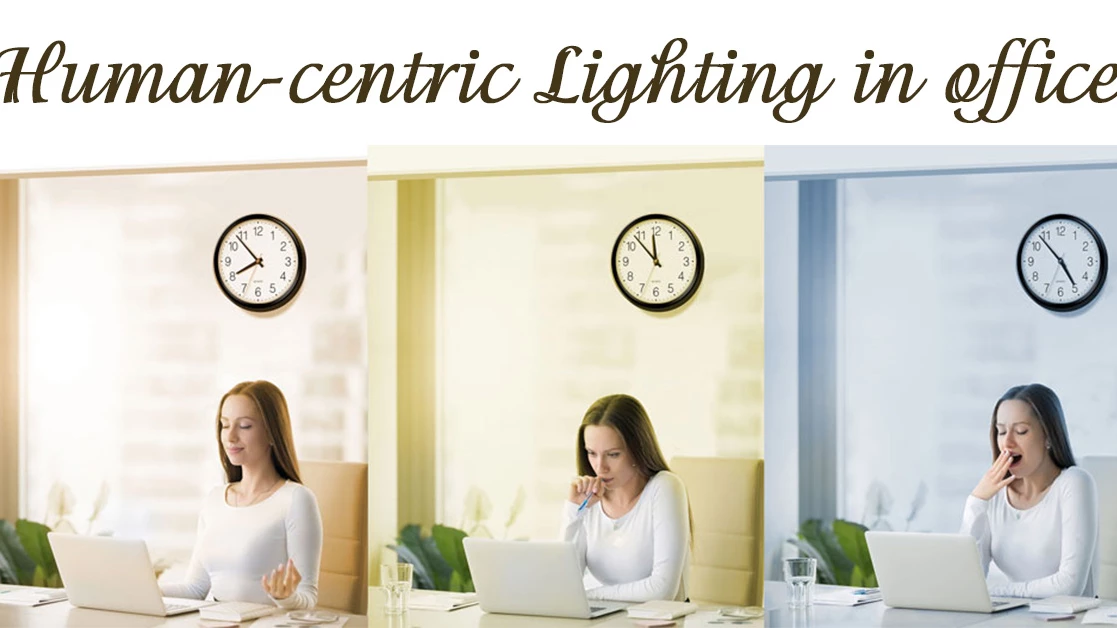
Daytime light exposure also plays a role in the circadian rhythm, which is the body’s natural day and night cycle. Research and healthcare design discussions often connect suitable lighting with better sleep quality, lower stress, and improved patient experience in recovery spaces.
In practice, this means unnecessary glare should be avoided in patient areas, while flexible lighting scenes are needed for different times of day.
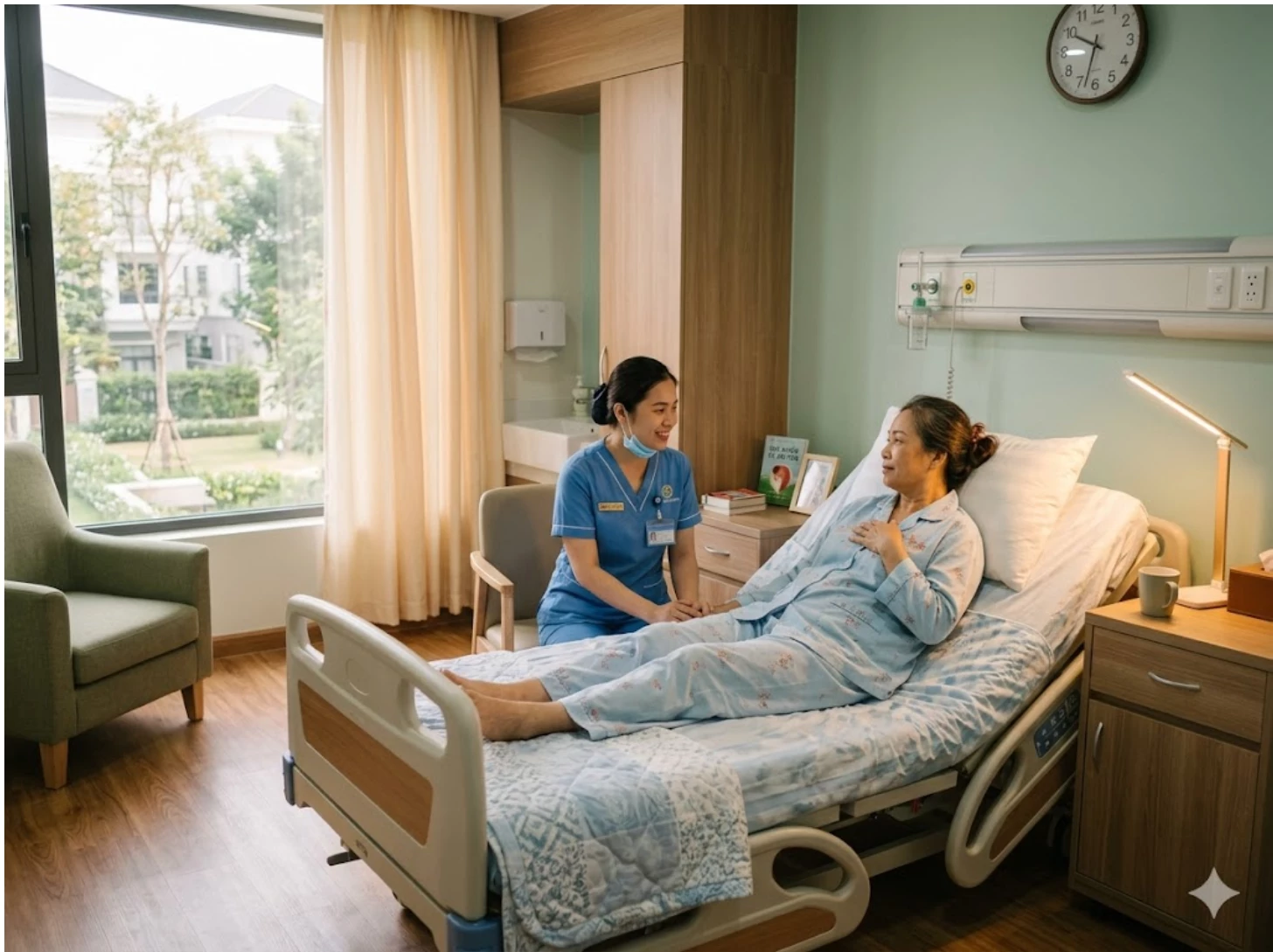
Comfortable patient room lighting helps create a calmer care environment.
Improving accuracy and visual performance
Medical work requires concentration and accurate visual judgment. In examination rooms, treatment areas, laboratories, and operating spaces, staff should be able to clearly see skin tone, tissue color, medical instruments, labels and small details. Poor color rendering or insufficient brightness can reduce visual accuracy.
For this reason, luminance level, color rendering, glare control and light distribution are needed when designing hospital lighting. A Pan American Health Organization document on LED lighting in hospitals noted that treatment areas and operating rooms often require high color rendering because accurate color recognition is important for clinical tasks.
Good lighting also supports the staff working long shifts. Stable, comfortable, and task-appropriate light can reduce visual fatigue and help medical teams maintain focus in demanding environments. This is especially important in emergency departments, nursing stations, pharmacies and intensive care areas.
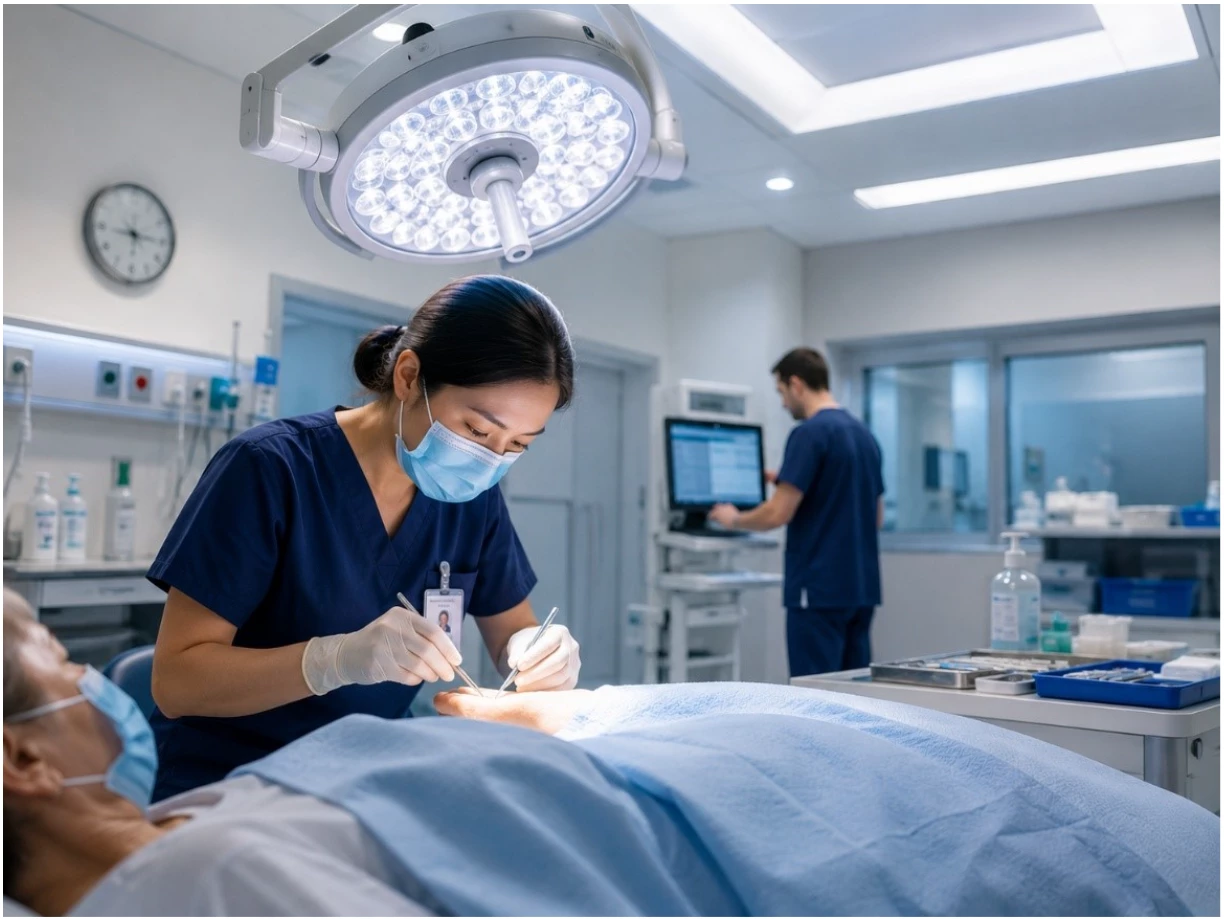
Clear clinical lighting assists healthcare professionals to perform detailed tasks.
Variety of lighting solutions
ANSI and IES healthcare lighting guidance states that healthcare facilities include many types of spaces and patient care profiles. Lighting recommendations therefore depend on room purpose, patient needs and clinical function.
For example, some areas may benefit from warmer light for comfort, while clinical assessment areas need light that supports accurate visual evaluation.
Patient rooms require a combination of ambient light, reading light, examination light and low-level night light. Corridors need safe visibility without disturbing nearby patient rooms. Waiting areas benefit from warm and welcoming light that reduces tension. Operating rooms require precise and powerful lighting with strong control of shadows and color quality.
This flexible approach makes hospital lighting different from simple general lighting. The system should be planned according to workflow, safety, patient comfort and maintenance requirements.
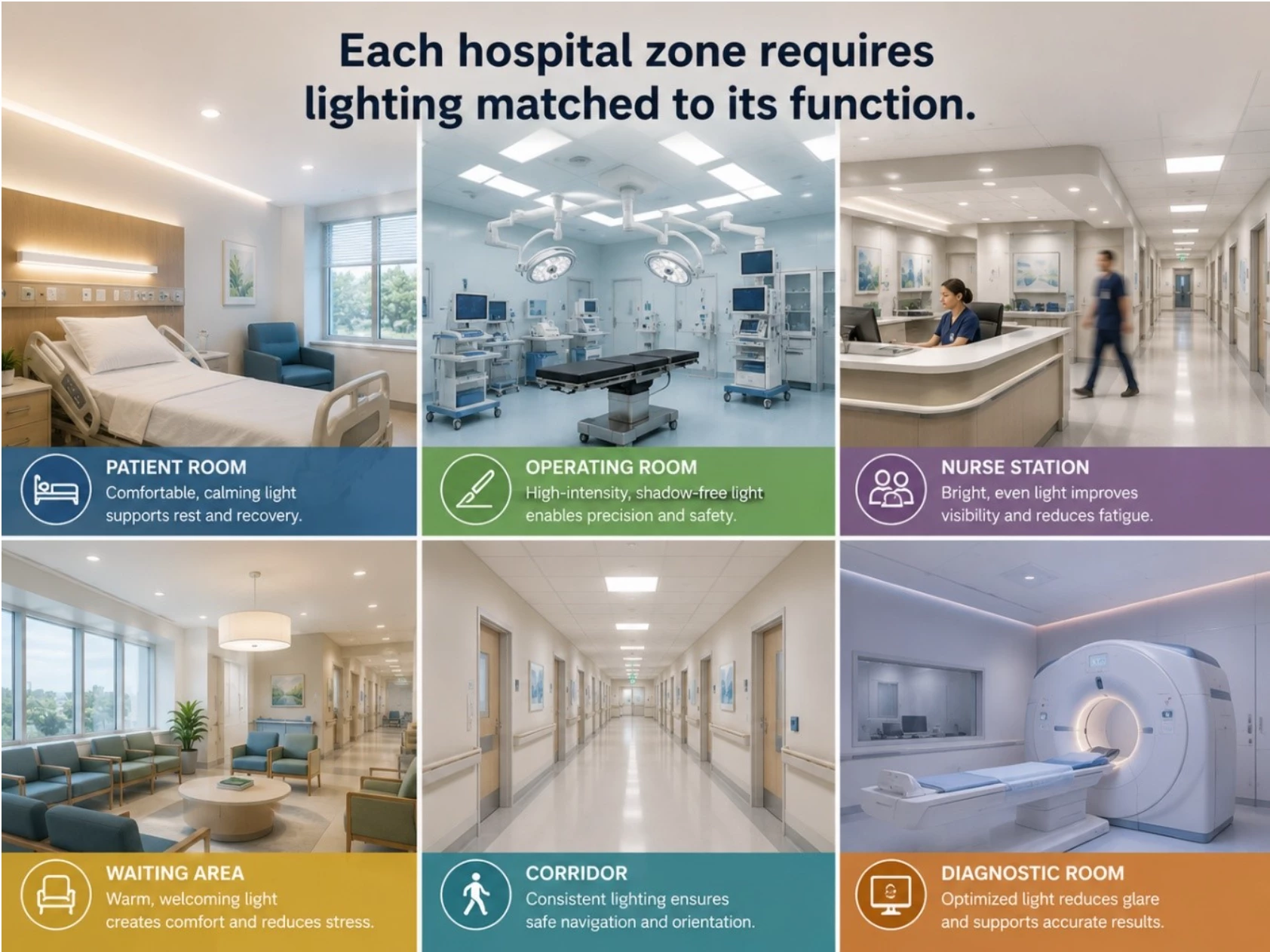
In hospital lighting, it is crucial to design the right lighting for each zone.
LED technology and smart control
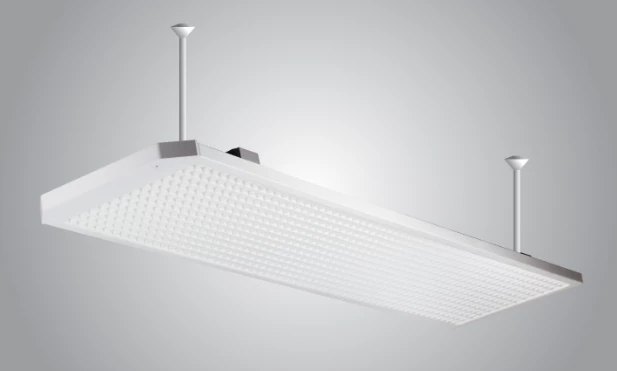
Modern LED lighting gives hospitals more options for efficiency, control and design flexibility. LED luminaires can provide stable brightness, different color temperatures and long service life. When combined with smart control, lighting can be adjusted by time, task or area.
For example, patient rooms may use brighter light during daytime care and softer light in the evening. Corridors may use dimmed light at night while still supporting safe movement. Staff areas can use task lighting to improve visibility without over-lighting the whole space.
As such, hospitals can manage energy consumption while maintaining comfort and safety.
Should you have any questions or request a quotation of Rang Dong products, please send us an email to: export@rangdong.com.vn
Websites: en.rangdong.com.vn and vacuumflask.rangdong.com.vn