

Impacts Of How Lighting Affects Mood And Light Design Tips
The impacts of how lighting affects mood are often underestimated. Light not only illuminates a space, it also directly interacts with biological and psychological processes in the human body. The brightness, color temperature and placement of lighting can influence on emotions, energy levels and concentration. The following article explains the impacts of these lighting aspects and ways to use them effectively.
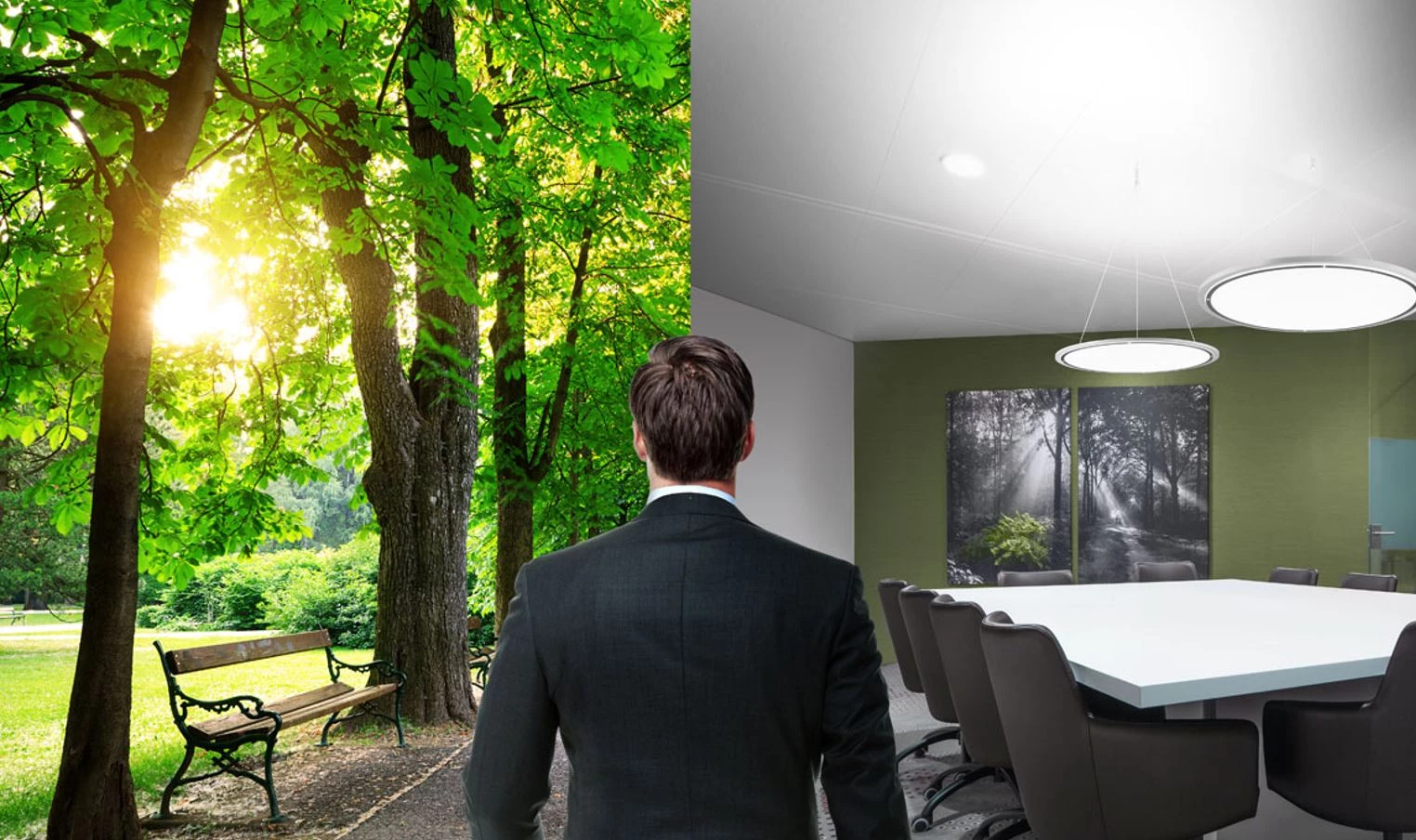
One of the most important ways to understand how lighting affects mood is through the body’s circadian rhythm. This internal biological clock regulates the sleep–wake cycle and plays a key role in controlling alertness, energy and emotional balance.
Exposure to bright light during the day signals the brain to stay awake and active. When the eyes detect higher light intensity, the brain reduces the production of melatonin, a hormone associated with sleep. As a result, people often feel more alert and mentally focused in well-lit environments.
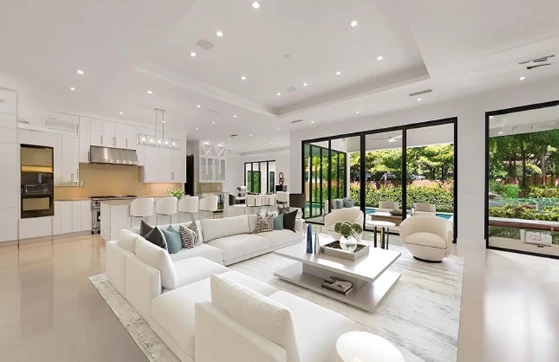
In contrast, lower light levels in the evening encourage the body to slow down and prepare for rest. Dim lighting helps the brain increase melatonin production, which promotes relaxation and sleep readiness.
Natural daylight is particularly important for maintaining a healthy circadian rhythm, while insufficient exposure to the light may lead to fatigue, decreased motivation and mood changes.
In some cases, limited daylight can contribute to Seasonal Affective Disorder, a type of depression that occurs during periods with reduced sunlight. This example clearly illustrates how lighting affects mood through biological mechanisms.
Color temperature, emotional response
Another important factor explaining how lighting affects mood is color temperature. Different color temperatures produce different psychological effects because they mimic various natural lighting conditions.
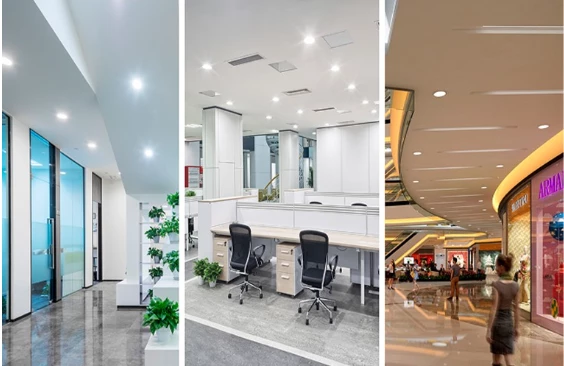
Warm light (2,700–3,000 K) is commonly associated with relaxation and comfort. It creates a soft and cozy atmosphere that encourages calm emotions. This type of lighting is widely used in living rooms, bedrooms, restaurants and hospitality environments for relaxation.
Neutral light (3,500–4,100 K) provides a balanced and natural visual experience. It resembles natural daylight and supports comfortable vision for everyday activities. Offices, commercial spaces and public buildings often use neutral lighting to maintain a pleasant and stable environment.
Cool light (5,000–6,500 K) appears brighter and more stimulating. This lighting encourages alertness, focus and mental clarity. It is frequently used in workplaces, hospitals, laboratories and study environments where concentration and productivity are essential.
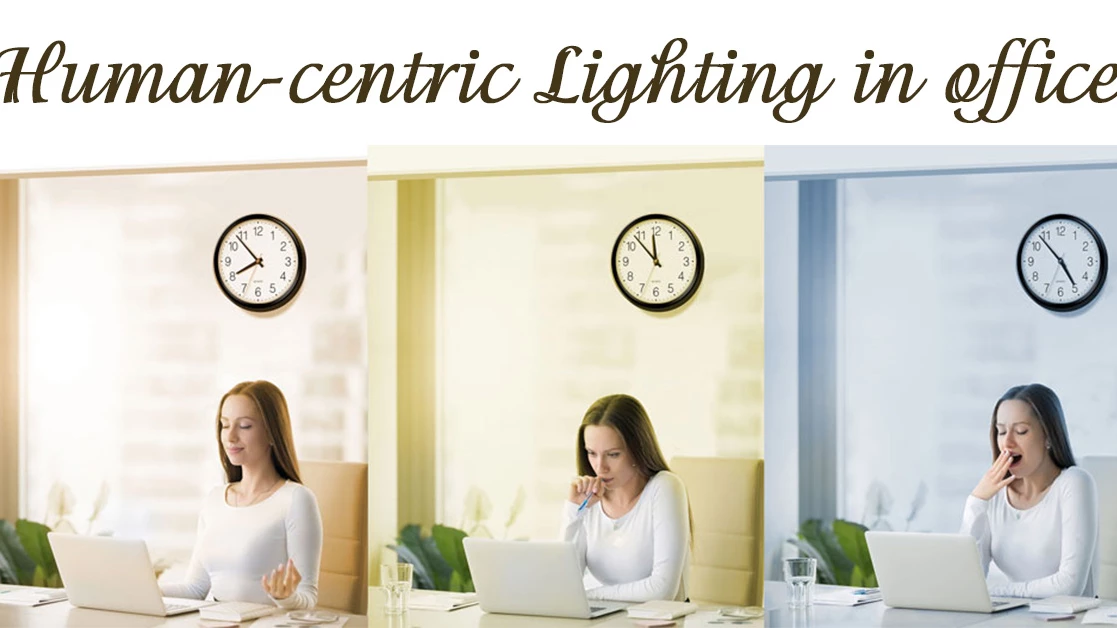
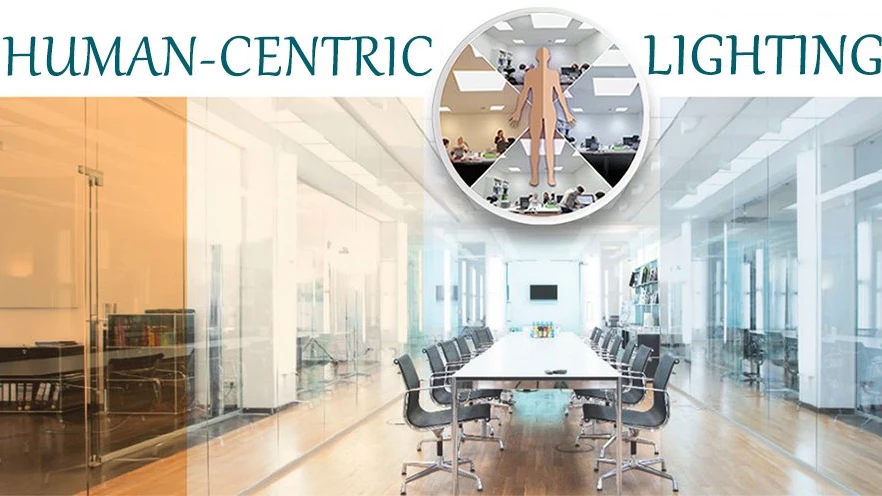
By adjusting the color temperature, designers can adjust emotional responses and create spaces that support different activities. This is another example of how lighting affects mood in everyday environments.
Light intensity and productivity
Light intensity also plays a major role in determining how lighting affects mood and performance. The brightness level of a space can influence mental energy, focus, and motivation.
Higher levels of brightness generally increase alertness and cognitive performance. In workplaces and classrooms, brighter lighting conditions can help people stay attentive and maintain higher productivity levels. Well-balanced brightness also reduces eye strain and visual fatigue during long periods of reading or computer work.
On the other hand, extremely dim environments may cause tiredness or reduce motivation. When lighting levels are too low, the brain receives signals associated with rest, which can lead to slower thinking and reduced concentration.
Because of these effects, many offices and educational facilities carefully design the lighting systems that maintain consistent brightness throughout the day. Balanced lighting ensures visual comfort while supporting both mental and physical performance.
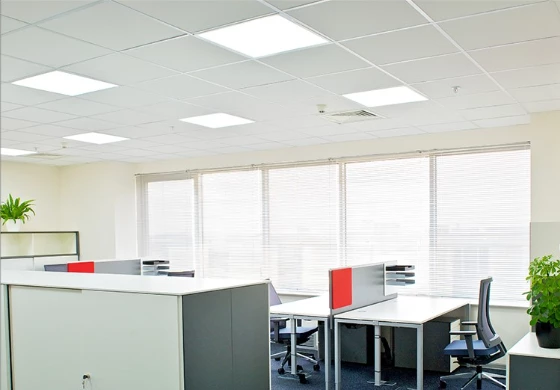
Light influences on the body’s biological clock, emotional responses, productivity levels, and even the way people perceive a space. Factors such as brightness, color temperature and lighting placement can all shape how individuals feel and perform throughout the day.
By applying proper lighting strategies, homes, workplaces and public spaces can support comfort, concentration and emotional well-being. As the lighting technology further develops, the awareness of how lighting affects mood will remain important for creating healthier and more balanced living and working environments.
Should you have any questions or request a quotation of Rang Dong products, please send us an email to: export@rangdong.com.vn
Websites: en.rangdong.com.vn and vacuumflask.rangdong.com.vn.