


Urban Lighting Systems Lays Foundation for City Quality
As the night falls, a city's quality becomes visible through its lighting. A well-planned urban lighting system does far more than switching on at dusk; it supports traffic safety, shapes a city's night-time identity and contributes to energy savings and digital transformation.
An evenly lit street with limited glare gives pedestrians and drivers a clear sense of safety, while a well-lit square, park or landmark can become a defining feature of a city after dark.
As urban planning increasingly treats technical infrastructure as a unified system, lighting for roads and public spaces is being recognized as a strategic component rather than a simple utility that just needs to stay switched on.
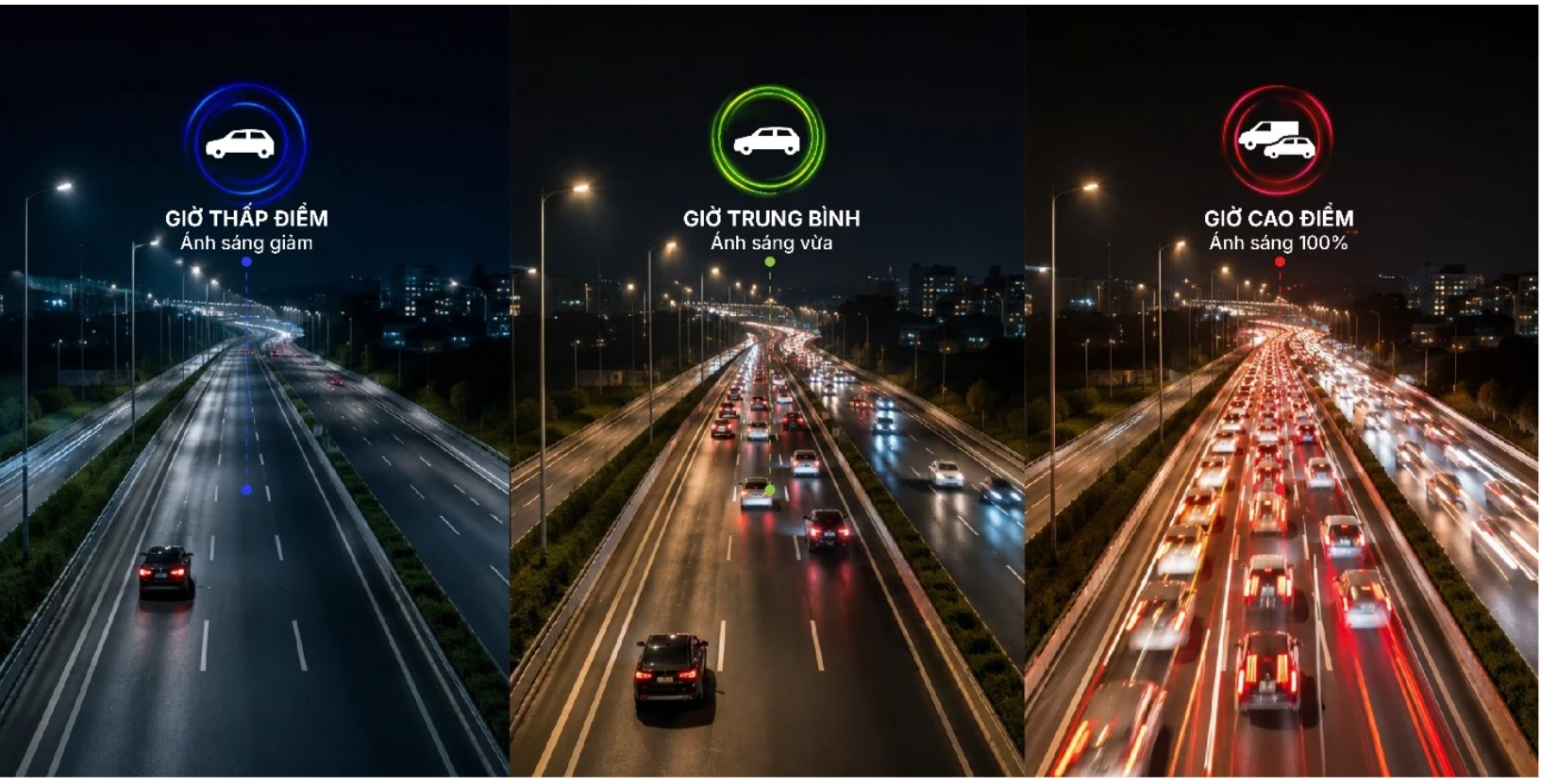
Traffic safety, public security
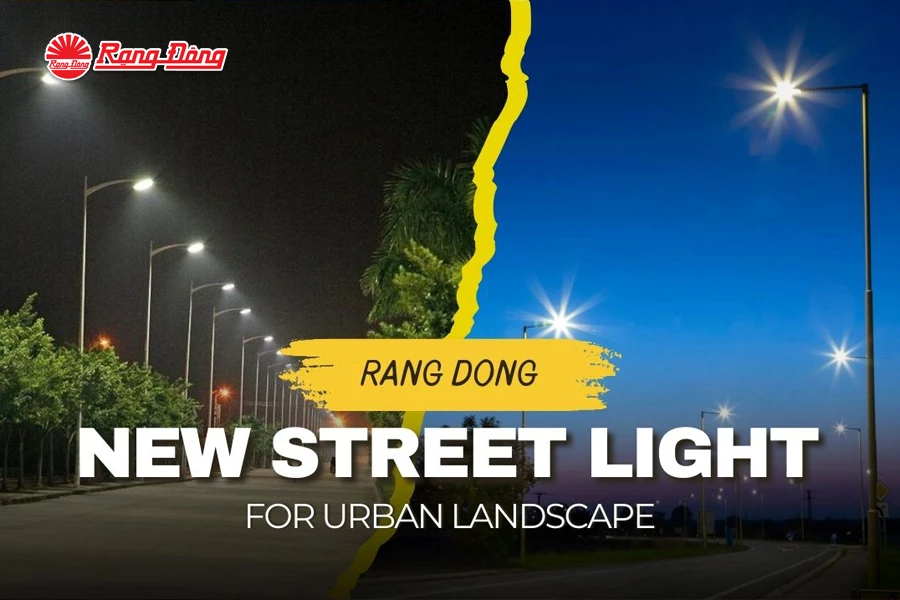
Traffic safety is the most important value provided by a street lighting system. At night, lighting directly influences on how well drivers and pedestrians see the road, other vehicles, obstacles and intersections.
A system with the right brightness, even distribution and limited glare helps road users recognize hazards sooner, a benefit that matters most on main roads, highways, at intersections and in densely populated or high-traffic areas.
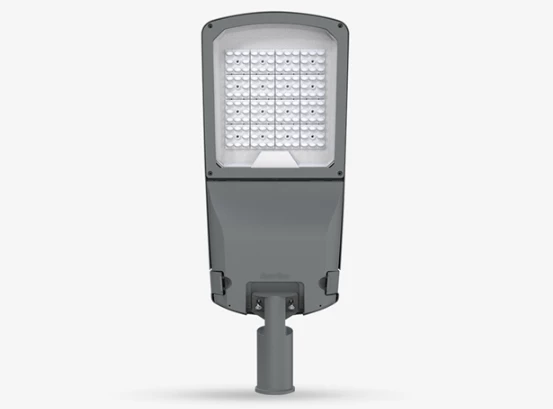
The smart lighting systems designed and operated by Rang Dong, Vietnam’s leading innovator in lighting and smart technology, to technical standards that keep light output even and glare under control, supporting safety for people and vehicles.
Lighting also shapes how safe public spaces feel after dark. Poorly lit or unevenly lit areas can make people uneasy about moving around at night, while a well-planned system improves visibility on streets and in public spaces.
Paired with smart monitoring, operators can detect faults such as power outages or broken fixtures quickly, turning lighting into part of a city's broader safety infrastructure.
Shaping city identity
While road lighting focuses on function, landscape lighting shapes emotion and identity. A city at night is often recognized through artfully lit bridges, glowing public squares, parks and pedestrian streets, standout architecture and historic sites highlighted with light.
Landscape lighting not only beautifies a space, it also helps refine a city's overall appearance and highlight local history and culture, which is why a smart lighting system needs to account for both road and landscape lighting together.
Energy efficiency, green city goals
Urban lighting systems run for long hours every day, so fixture efficiency and control methods are closely linked to a city's overall energy use. Switching to high-efficiency LED lighting is the first step, while smart lighting can adjust output based on actual need during peak and off-peak hours, or regulate the brightness based on traffic and other conditions.
Rang Dong's smart lighting systems can provide this adjustment by time of day while monitoring for faults, showing that savings come from smarter operation as much as from better bulbs. These gains feed into broader sustainability goals: efficient LEDs and output control lower energy use, demand-based dimming avoids waste during quiet hours, and reduced electricity use helps lower carbon dioxide (CO2) emissions, all while good lighting keeps traffic and public spaces safer.
Rang Dong's smart lighting solution is built with these goals in mind, supporting green cities, energy savings, lower emissions, traffic safety, urban security, digital infrastructure and progress toward Net Zero targets.
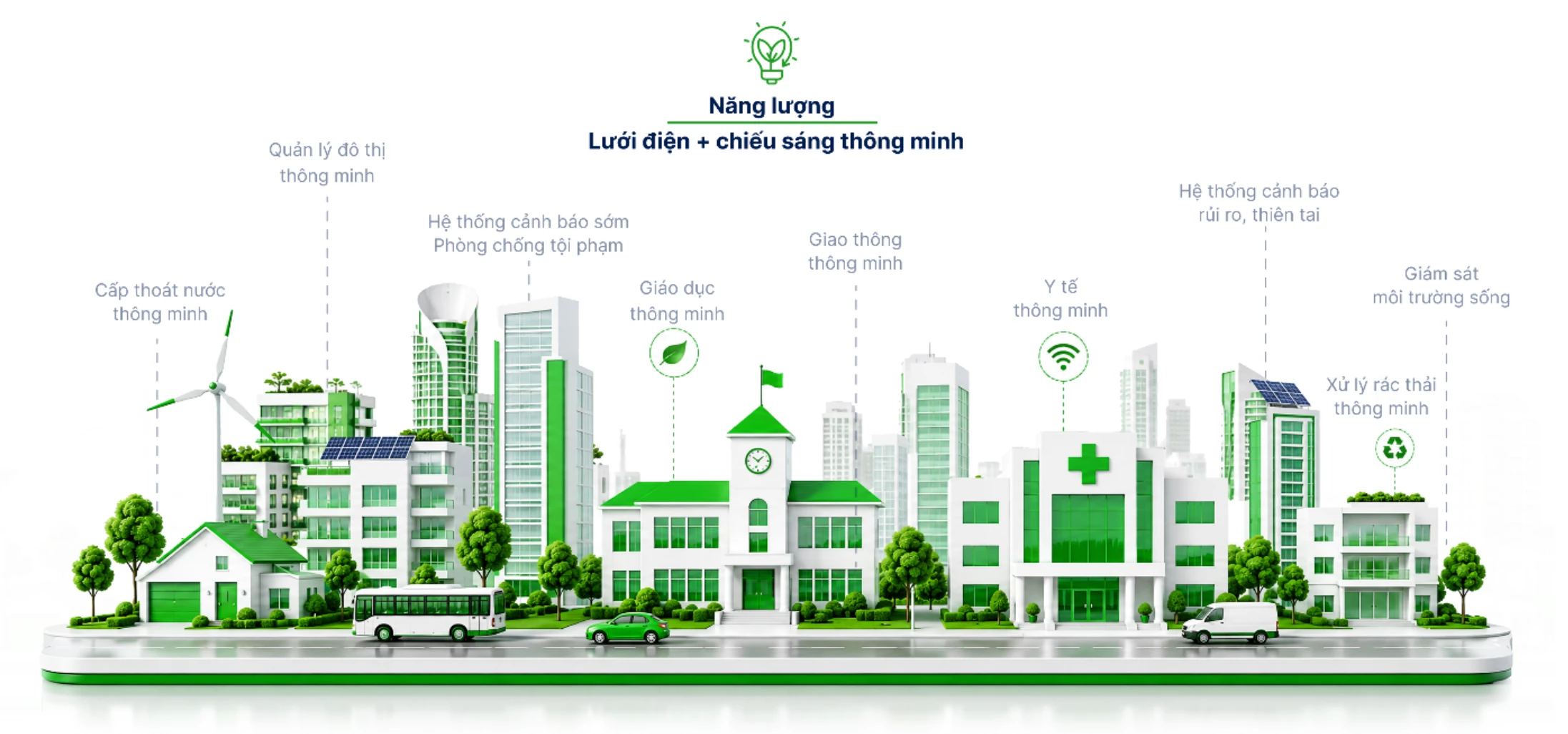
Toward smart, connected systems
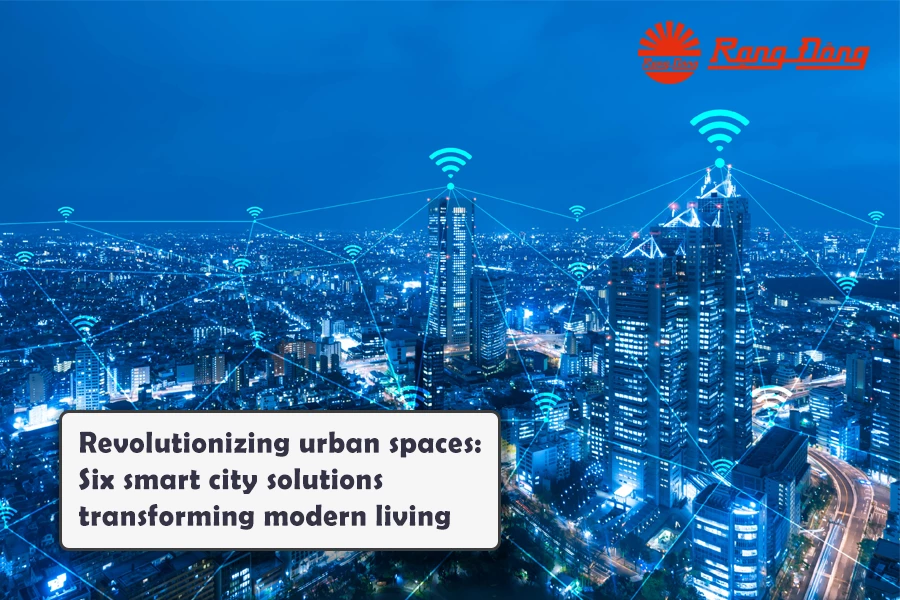
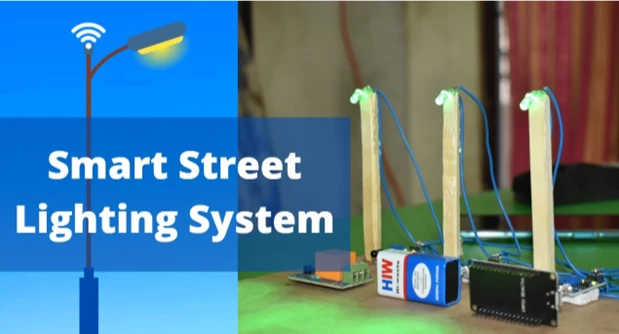
Urban lighting tends to develop through four stages: traditional lighting, high-efficiency LED lighting, smart-controlled lighting and lighting connected into data platforms and Smart City systems.
The first stage is simply about having light. The second focuses on light quality and energy savings. The third adds the ability to control and optimize lighting based on need. At the highest stage, lighting becomes part of a city's digital infrastructure, capable of connecting, collecting data and integrating with broader management platforms.
A quality urban lighting system is the baseline for a modern city, but the shift toward smart, connected lighting turns the baseline into a long-term advantage for safety, energy use and identity. Exploring the next stage of lighting infrastructure, the municipal authority will have a growing set of smart, data-connected options to build on.
Should you have any questions or request a quotation of Rang Dong products, please send us an email to: export@rangdong.com.vn
Websites: en.rangdong.com.vn and vacuumflask.rangdong.com.vn.