

Best Lighting Colors To Support Eye Health
Lighting colors vary in their wavelengths and they have different impacts on vision, sleep quality, and overall well-being. The following article explains how visible light works, elaborates on the role of blue, green and yellow light, as well as how to select the best lighting colors to support both eye comfort and human health. Understanding these effects can help users make smarter lighting choices for homes and workplaces.
Light and the human eye
Light is an essential part of everyday life, influencing on how people see, work, and interact with their surroundings. Light consists of two categories: visible light and invisible light.
The human eye can detect visible light within a wavelength range of approximately 380 to 760 nanometers (nm). Below 380 nm lies ultraviolet (UV) radiation, while wavelengths above 760 nm belong to the infrared spectrum. Both UV and infrared light are invisible to the human eye.
Within the visible spectrum, different colors correspond to different wavelengths. Blue light generally has shorter wavelengths, while red light has longer wavelengths. The combination of these wavelengths creates the colors that people perceive every day.
Since each color interacts differently with the eye and the body's biological processes, understanding these effects is important when determining the best lighting color for eye health.
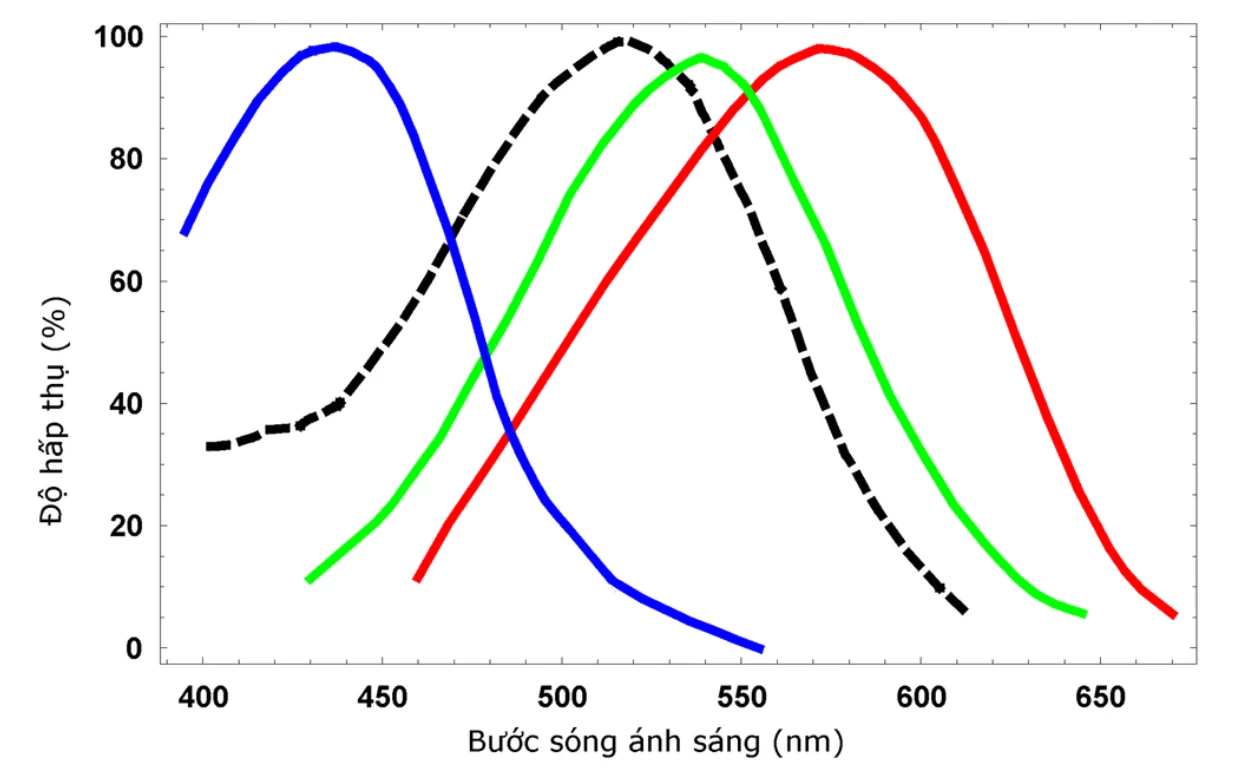
Different light colors
Blue light
This is one of the most important components of visible light because it plays a significant role in regulating the human circadian rhythm, often referred to as the biological clock.
Natural blue light from sunlight helps signal the body to wake up and become alert during the day. This is a reason why spending time outdoors during daylight hours is considered beneficial.
However, not all blue light exposure is equally beneficial. Excessive exposure to artificial blue light from smartphones, tablets, laptops, and certain lighting sources during the evening can disrupt the body's natural rhythm. This may make it more difficult to fall asleep and can contribute to visual fatigue after prolonged screen use.
For this reason, while blue light is essential during the day, managing exposure at night is equally important for maintaining healthy vision and sleep patterns.
Green light
Green light also plays a role in influencing the body's biological processes. Similar to blue light, it can contribute to regulating circadian rhythms and supporting alertness.
However, excessive exposure to green light during the evening may interfere with the body's natural preparation for sleep. When the brain receives signals associated with daytime conditions, it may delay the production of sleep-related hormones, making restful sleep more difficult.
As a result, balanced exposure to green light is recommended, particularly during nighttime hours when the body naturally begins transitioning toward rest.
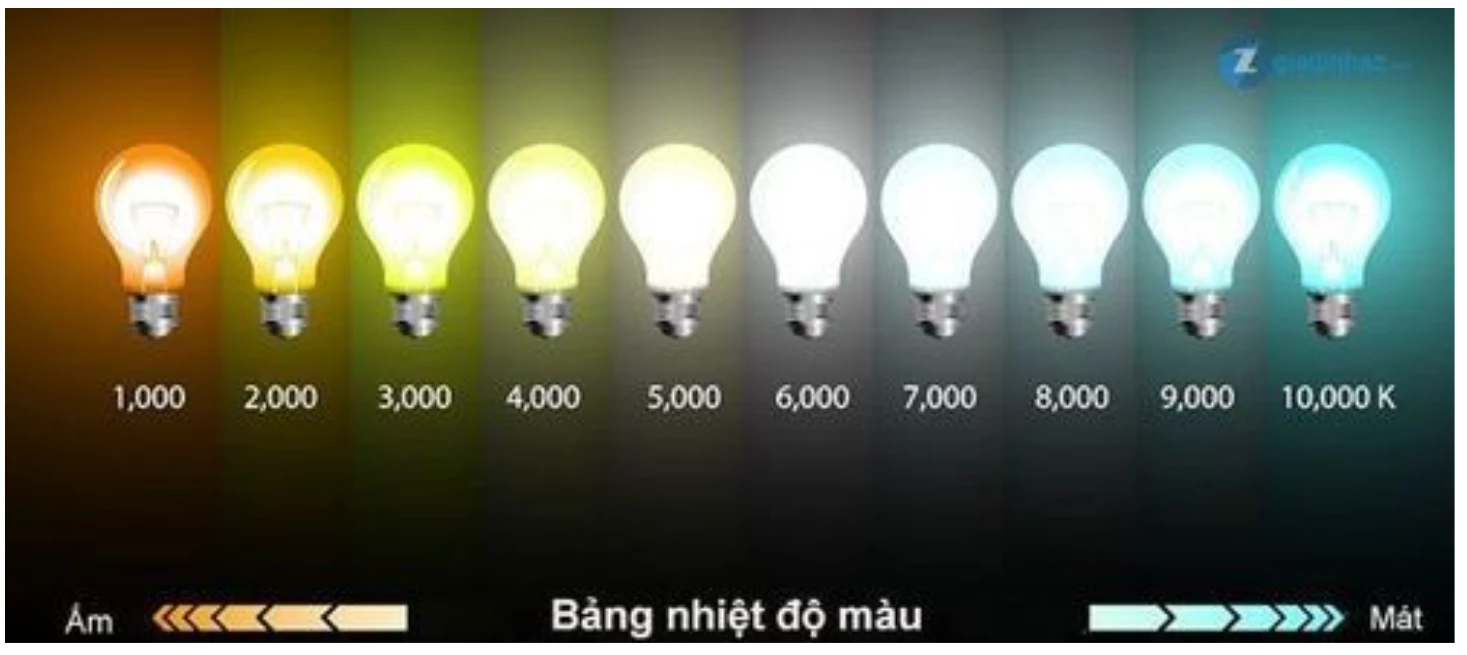
Yellow light
Among visible light colors, yellow light is frequently recognized for its ability to improve visual comfort. Studies have shown that yellow light can help protect the retina from excessive exposure to blue light by providing improved visual contrast.
This is partly why yellow-tinted lenses are commonly used in sunglasses and specialty eyewear. These lenses not only help filter ultraviolet radiation but can also reduce exposure to certain portions of blue light.
When considering the best lighting colors for eye health, warm white or yellow-toned lighting is often preferred during evening hours because it creates a comfortable visual environment while minimizing disruption to natural sleep cycles.
Finding the best lighting colors for eye health involves more than simply choosing a preferred color temperature. By using lighting thoughtfully and aligning it with natural daily routines, people can enjoy healthier vision, better sleep quality, and a more comfortable living environment.
Should you have any questions or request a quotation of Rang Dong products, please send us an email to: export@rangdong.com.vn
Websites: en.rangdong.com.vn and vacuumflask.rangdong.com.vn.